Indian food has travelled far beyond India, and so have Indian sweets. From Indian restaurants abroad to cultural festivals and weddings, foreigners are slowly discovering mithai. But their preferences are often very different from what most Indians expect.
So, which Indian sweet do foreigners mostly love to eat?
The answer is not just one sweet, but a small group of them — and there are clear reasons why these sweets work better for non-Indian taste buds.
Why foreigners experience Indian sweets differently
For many foreigners, Indian sweets are their first exposure to desserts that are rich, milk-based, and heavily sweetened. In Western cuisines, desserts usually rely on chocolate, butter, flour, or fruit. Indian sweets, on the other hand, use milk solids, sugar syrup, ghee, and nuts.
Because of this difference, foreigners usually prefer sweets that feel familiar in texture and are not overwhelmingly sweet. Strong aromas of ghee or very syrup-heavy sweets can be difficult for first-time eaters.
This is why only a few Indian sweets consistently become favourites among foreigners.
Gulab Jamun is the most loved Indian sweet abroad
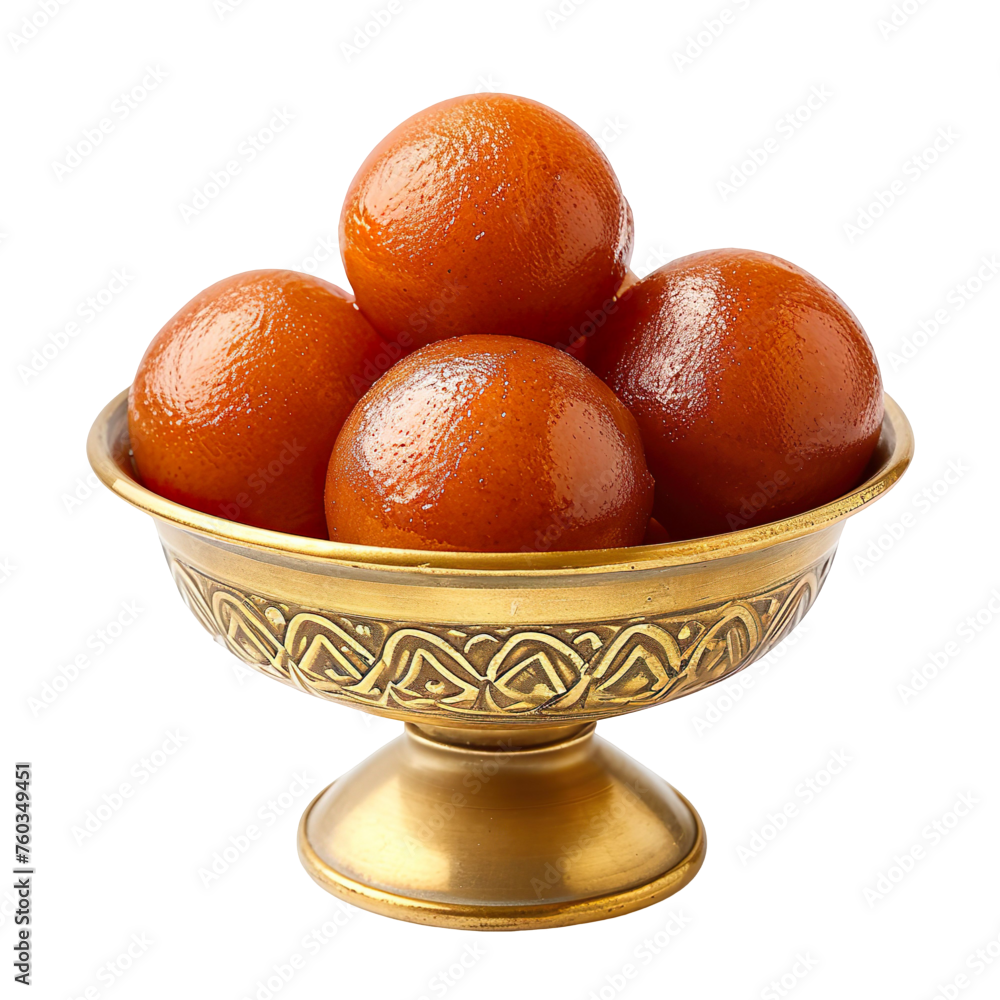
Without doubt, gulab jamun is the Indian sweet foreigners love the most.
It looks familiar — round, soft, and soaked in syrup — which reminds many people of doughnut holes or sponge desserts. The texture is smooth, the sweetness is comforting, and when served warm, it feels indulgent rather than strange.
Another reason gulab jamun works well is portion size. One or two pieces are enough, so it doesn’t feel overwhelming. Many foreigners trying Indian food for the first time remember gulab jamun more clearly than any other sweet.
In Indian restaurants abroad, gulab jamun is almost always the top-selling dessert.
Rasgulla appeals to people who prefer light desserts
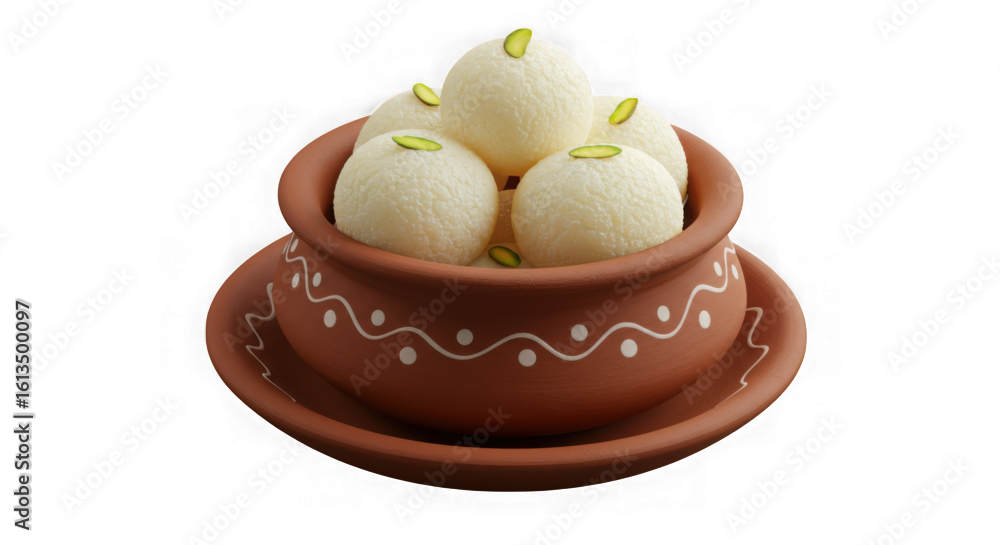
While gulab jamun is rich, rasgulla attracts a different group of foreigners — those who prefer lighter desserts.
Its spongy texture and mild sweetness make it easier to eat after a heavy Indian meal. People who don’t like oily or ghee-heavy sweets usually enjoy rasgulla more.
Foreigners often describe rasgulla as “refreshing” rather than heavy. That reaction explains why it performs well in countries where people prefer desserts that don’t feel too rich.
Kaju Katli works because it feels premium and simple

Kaju katli is another Indian sweet that foreigners often like, especially when it is well made.
There is no syrup, no strong smell, and no sticky texture. The flavour is clean and nutty, which feels familiar to people used to almond or cashew-based desserts.
Foreigners who enjoy kaju katli usually appreciate subtle flavours. They may not love it at first bite, but it grows on them. Its premium appearance also helps — it looks elegant and gift-worthy.
Jalebi is loved for its crunch, not sweetness
Jalebi is a surprising favourite among foreigners, especially when served fresh.
The crisp texture is what wins people over. Many foreigners compare it to funnel cake or fried sugar desserts they already know. However, they usually prefer jalebi in small quantities, as the sweetness can feel intense.
When paired with something like yogurt or milk, jalebi becomes more enjoyable for non-Indian palates.
Why many Indian sweets don’t work for foreigners
Sweets like peda, kalakand, or heavily ghee-based ladoos are often too intense for first-time eaters. The aroma of ghee and the dense texture can feel unusual if someone hasn’t grown up with it.
This doesn’t mean these sweets are bad. It simply means they require familiarity. Taste develops over time, and many foreigners slowly start appreciating deeper flavours after repeated exposure.
Freshness matters even more for foreigners
One important thing to note is that foreigners judge Indian sweets very strongly on freshness. A slightly stale sweet can completely change their opinion.
Fresh sweets taste cleaner and lighter, which makes them easier to enjoy. This is why Indian sweet brands and restaurants abroad focus heavily on freshness and consistency.
When sweets are made traditionally, without excessive preservatives, they leave a much better impression.
Changing tastes with exposure
Interestingly, foreigners who live in India for a longer time often change their preferences. What starts with gulab jamun and rasgulla slowly moves towards barfi, ladoos, and even regional sweets.
This shows that Indian sweets are an acquired taste. Once people understand them, appreciation grows naturally.
Final thoughts
So, which Indian sweet do foreigners mostly love to eat?
Gulab jamun clearly leads the list, followed by rasgulla and kaju katli. These sweets work because they balance familiarity with Indian flavour.
At the end of the day, taste is personal. Just like Indians take time to enjoy foreign desserts, foreigners also take time to truly understand Indian sweets. When sweets are fresh and made well, they don’t need explanation — people remember them.