

If you’ve ever tasted sweets from outside India and then had Indian mithai, you’ll instantly feel the difference. Indian sweets don’t try to be light or fancy. They are rich, comforting, sometimes heavy, but always full of character.
Many people, especially those new to Indian food, often ask:
“Why do Indian sweets taste so different from others?”
The answer is not just ingredients. It’s history, habits, emotions, and the way sweets are treated in Indian homes.
In India, Sweets Are Part of Life, Not Just Dessert
many cultures, sweets come at the end of a meal.
In India, sweets come at the beginning of happiness.
Good news? Eat mithai.
Festival? Eat mithai.
Wedding? Of course, mithai.
Guest comes home? Mithai first.
Indian sweets are connected to emotions. When something is made for celebration, people don’t cut corners. That mindset has shaped how Indian sweets are prepared.
Milk Is the Backbone of Indian Mithai
One big reason Indian sweets stand out is milk.
Fresh milk, khoya, chhena, ghee — these are not shortcuts. They take time and effort. When milk is slowly cooked, it develops flavour on its own. You don’t need artificial tricks.
That’s why sweets like:
- Rasgulla
- Rasmalai
- Kalakand
- Peda
feel soft, rich, and satisfying even in small portions.
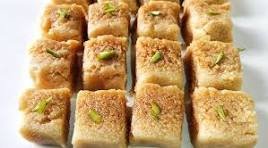
Indian Sweets Are Made Slowly
Most sweets can’t be rushed.
Rabri takes hours.
Halwa needs patience.
Khoya is made by standing near the stove and stirring again and again.
This slow process builds depth. It’s the opposite of factory-style desserts. That’s also why homemade or traditional sweets always taste better.
Natural Flavours, Not Loud Ones
Indian sweets don’t try to shock your taste buds.
They use gentle flavours like cardamom, saffron, rose, and dry fruits.
These flavours support the sweet instead of overpowering it. That balance is why Indian mithai feels comforting rather than sharp or artificial.
Every Region Has Its Own Style
India doesn’t have one type of sweet — it has hundreds.
- Bengal prefers soft, milk-based sweets
- North India loves ghee-rich mithai
- South India uses jaggery and rice
- Rajasthan focuses on rich, long-lasting sweets
This regional variety makes Indian sweets unique and impossible to copy exactly.
Why Indian Sweets Feel Heavier (And Why That’s Okay)
Indian sweets are not meant to be eaten in large quantities.
They are designed to be enjoyed slowly.
A small piece is enough. That’s why they feel heavy — because they are real, not air-filled desserts.
How Gaanvwala Keeps Indian Sweets Authentic
At Gaanvwala, we don’t try to change what makes sweets special.
We focus on:
- Fresh milk and pure ingredients
- Traditional preparation methods
- Balanced sweetness
- Taste that feels homemade
If anyone doubts the quality, we always say — take a sample and compare. Real taste doesn’t need marketing.
What Customers Honestly Say
“These sweets taste like proper mithai, not factory stuff.”
“The milk flavour is clean, not artificial.”
“Feels heavy in a good way — you don’t need much.”
“Reminds me of sweets we used to eat as kids.”
These are the kinds of reactions that tell us we’re doing it right.
Frequently Asked Questions (FAQ)
Why are Indian sweets sweeter than others?
Indian sweets are not just sweet — they are rich. Sugar is used along with milk, ghee, and nuts, which balances the sweetness instead of making it sharp.
Are Indian sweets unhealthy?
Like any dessert, moderation matters. When made with pure ingredients and eaten in small amounts, traditional sweets are far better than highly processed desserts.
Why do Indian sweets feel heavy?
Because they are made with real ingredients like milk and ghee, not fillers.
Why do homemade or traditional sweets taste better?
Because they are slow-cooked. No artificial shortcuts.
How can I know if sweets are good quality?
Taste, smell, and after-feel. Good sweets feel clean, not oily or overly sugary. That’s why sampling and comparing always helps.
Final Thoughts
Indian sweets are different because India treats differently.
They use milk instead of flour, patience instead of speed, and tradition instead of trends.
That’s what makes Indian mithai special.
And that’s exactly what Gaanvwala believes in — sweets that feel real, taste honest, and stay true to tradition.